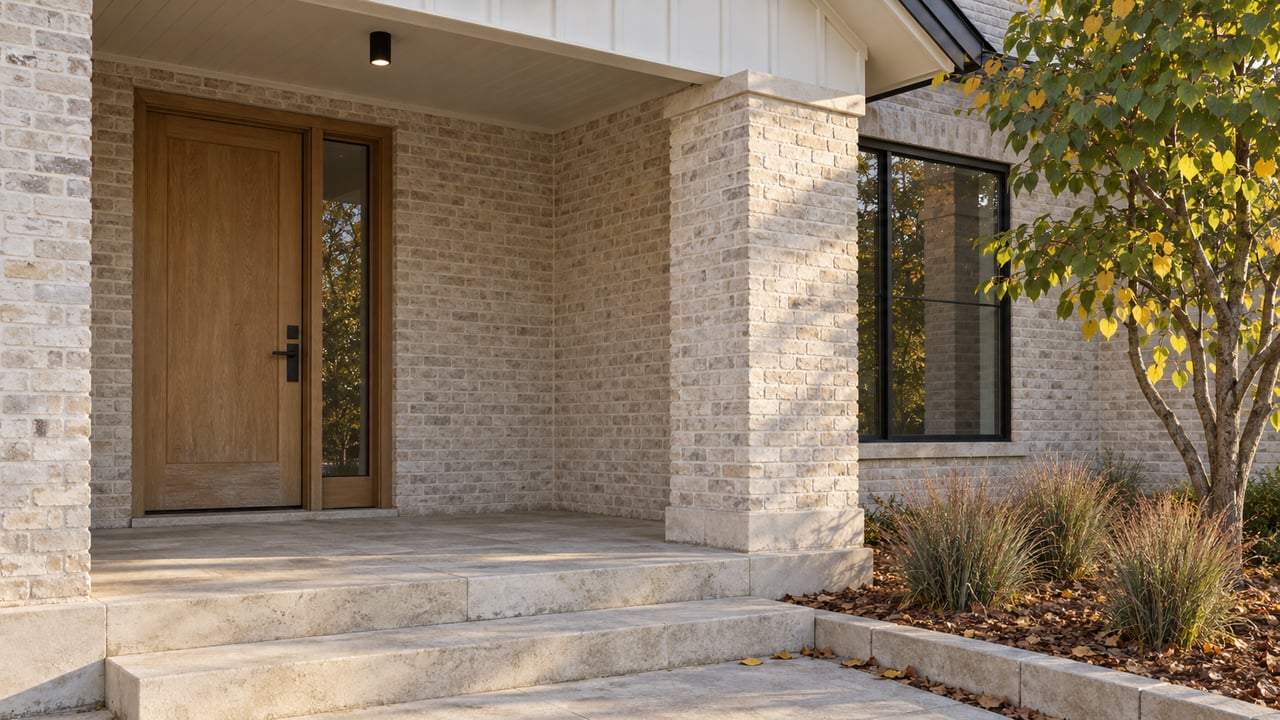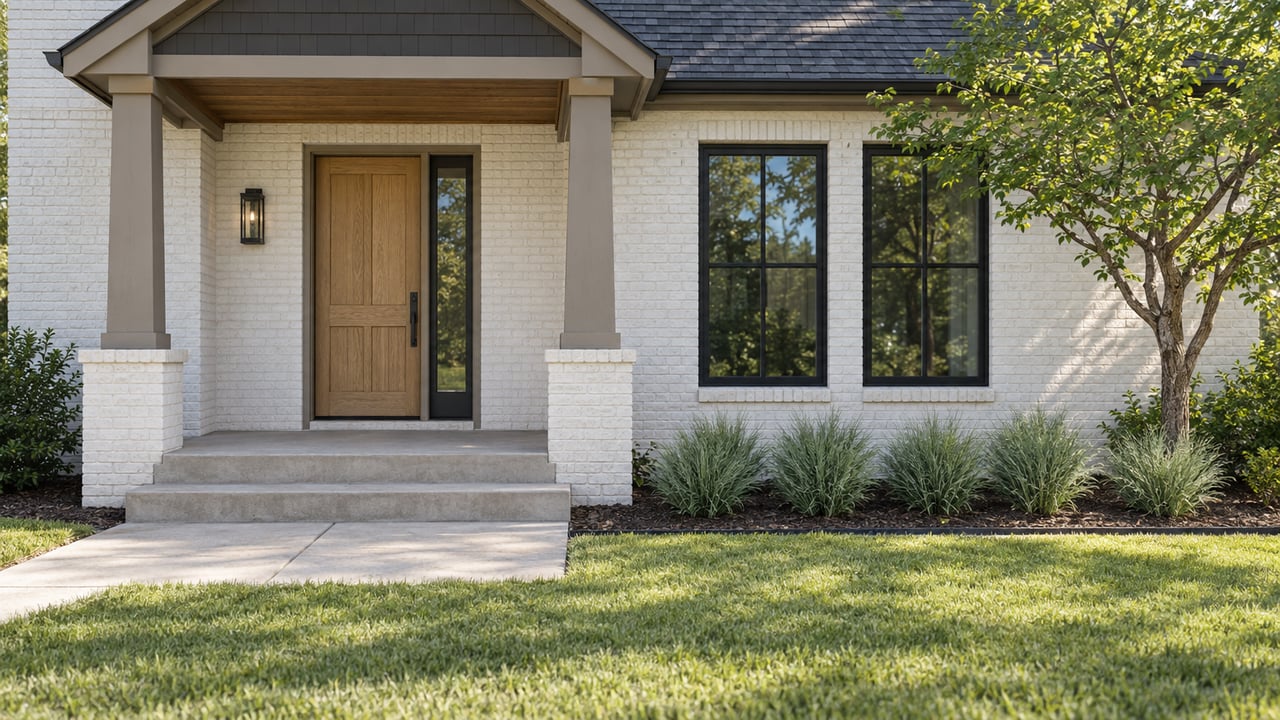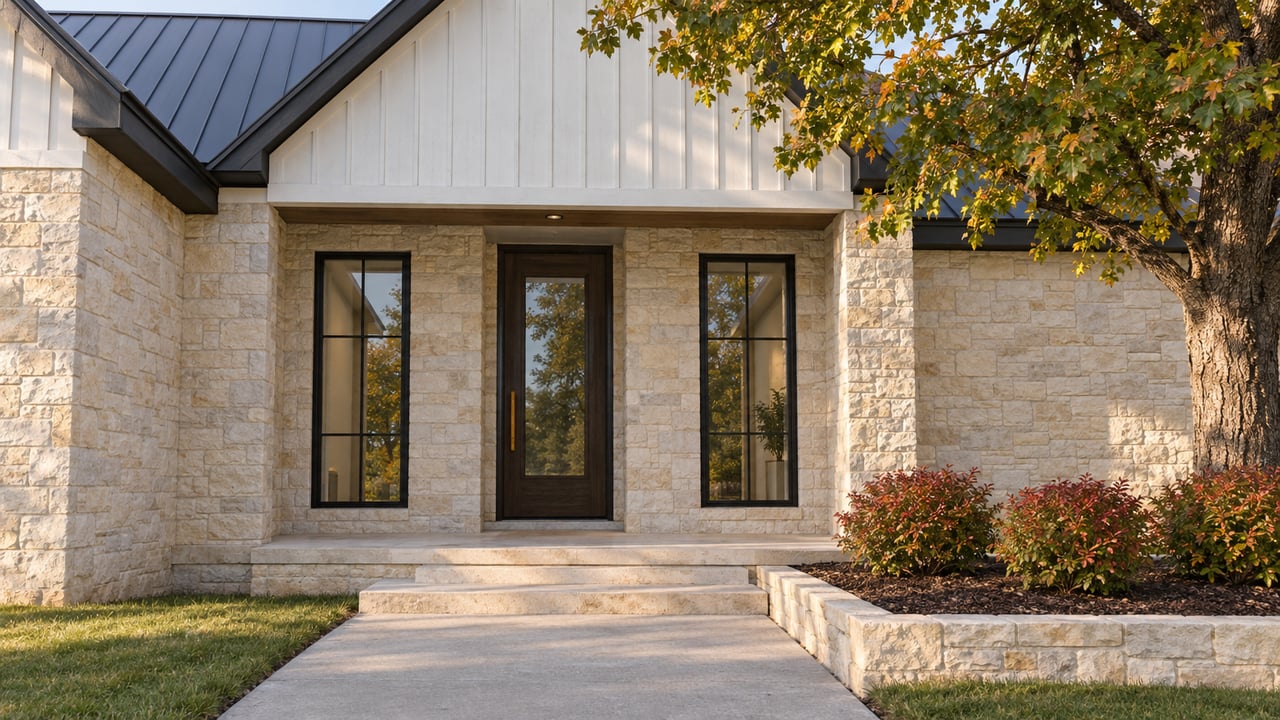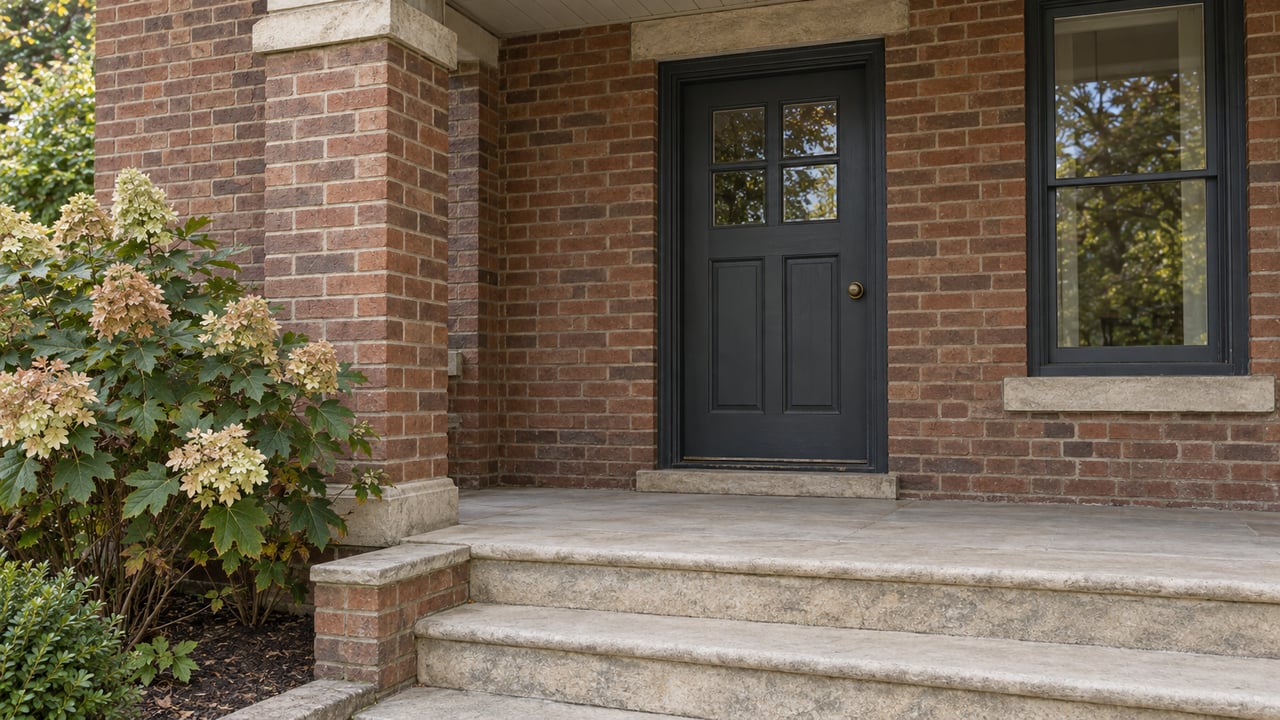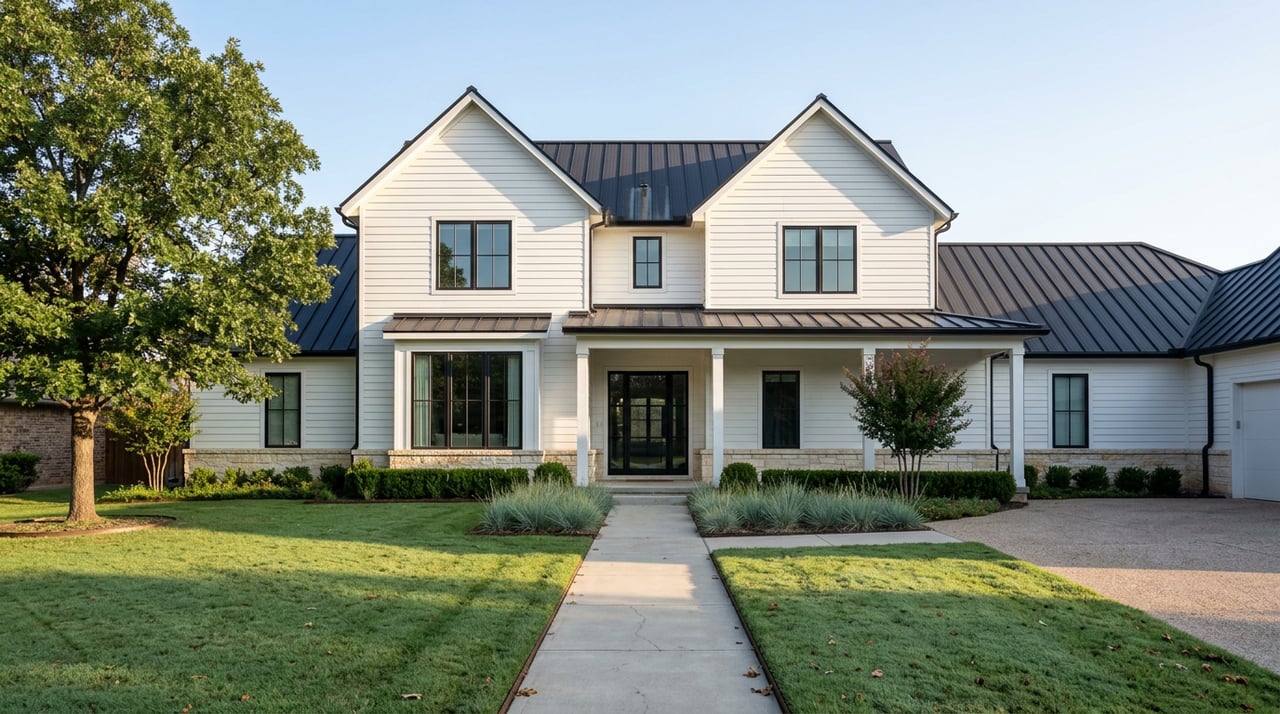
Stone mansion with a central arched entrance, flanking wings, landscaped lawn, and curved brick driveway.

Earnest Money Oklahoma Amounts for Nichols Hills Buyers

December 18, 2025

Writing a strong offer in Nichols Hills? Your earnest money can be the quiet signal that convinces a seller to choose you. You want to show commitment without putting more at risk than needed. In this guide, you’ll learn what earnest money is, what’s common in Oklahoma and Nichols Hills, how contingencies protect your deposit, and a simple timeline from offer to closing. Let’s dive in.

What earnest money means in Oklahoma

Earnest money is your upfront deposit that shows the seller you intend to complete the purchase. The funds are typically held in escrow with a title company, escrow company, or attorney named in your purchase contract. They are not held by the listing agent.

At closing, your earnest money is usually applied to your down payment or closing costs. If you terminate within a valid contingency window, your deposit is generally returned. If you default outside your contractual rights, the seller may be entitled to keep the deposit as damages, based on the purchase agreement’s earnest money and disbursement clauses.

Key point: The purchase contract controls the deadlines, disbursement rules, and remedies.

Escrow in Oklahoma: who holds your deposit

In Oklahoma, the contract identifies the escrow holder, most often a local title company or designated attorney. You should receive written confirmation and a receipt showing where and when the funds were deposited. Keep that paperwork for your records and your lender.

Real estate professionals must follow state rules for handling client funds, and escrow holders follow the contract’s disbursement instructions. If a dispute arises, the funds typically remain in escrow until the parties agree or a court or contract-directed process decides where the money goes. Review the “disbursement of earnest money” and “default” sections in your agreement so you know how conflicts are handled.

How much to offer in Nichols Hills

General Oklahoma practice often falls around 1 to 3 percent of the purchase price, with lower-priced homes sometimes using fixed amounts. As prices rise, the deposit usually scales up, either as a percentage or a larger flat sum.

In Nichols Hills, which is a higher-end micro-market in the OKC metro, larger absolute deposits are common. Sellers often focus on the dollar amount more than the percentage. For example, a 1 percent deposit on a $1,000,000 home is $10,000, and some buyers choose to offer more to strengthen their position. Five-figure deposits are not unusual on higher-priced homes, especially in competitive situations or off-market deals.

Use these general guideposts as a starting point, then tailor your number to the specific property and market conditions:

  • Lower-priced homes: often $1,000 to $5,000 or about 1 percent.
  • Mid to upper tier: often 1 to 3 percent of price, higher if multiple offers.
  • Luxury/Nichols Hills: multiple thousands to tens of thousands, sometimes 1 to 5 percent or more depending on price and competitiveness.

Your goal is to show strength while staying protected by clear contingency timelines.

Contingencies that protect your deposit

Contingencies are your safety valves. If you cancel within the agreed timelines and procedures, your earnest money is typically returned.

Common contingency types include:

  • Inspection: Time to inspect, negotiate, or cancel if needed.
  • Financing: Your obligation depends on loan approval by a deadline.
  • Appraisal: Options if the appraisal comes in low relative to price.
  • Title: Review the title commitment and resolve clearable defects.
  • HOA/condo docs: Review rules, fees, and financials if applicable.
  • Survey: Confirm boundaries and potential encroachments if desired.

If you miss deadlines or cancel outside allowed reasons, the seller may claim the deposit as liquidated damages, per the contract. Many luxury sellers prefer shorter contingency windows, so plan your inspections and financing steps early to keep protections intact.

Timeline: deposit to closing

Every contract is unique, but this simple sequence covers what most buyers experience.

  1. Offer accepted and deposit due
  • You deliver the earnest money to the escrow holder named in the contract.
  • Many agreements call for delivery within 1 to 3 business days of acceptance. Confirm your exact deadline in writing.
  1. Inspection period
  • Typical windows are often a week or two, but timing varies by contract.
  • You complete inspections and either proceed, negotiate repairs, or terminate per the contingency terms.
  1. Financing and appraisal
  • Work with your lender on underwriting and order the appraisal.
  • If financing or appraisal issues are not resolved by the deadline, you may be able to terminate and recover your deposit if your contingency covers it.
  1. Title, HOA docs, and survey
  • Review title commitments and any HOA documents in parallel with inspections.
  • Raise any issues promptly so they can be addressed before closing.
  1. Closing prep
  • The title company prepares figures and your closing disclosure.
  • Your earnest money shows as a credit toward your funds needed to close.
  1. Closing day
  • You sign documents and the earnest money is applied to the purchase.
  • If a deal falls apart outside your rights, the seller may seek the deposit per the agreement’s remedies.
  1. If a dispute occurs
  • The escrow agent holds funds until a mutual release or a contract-directed resolution, including court order if needed.

Luxury offer differences in Nichols Hills

Luxury sellers often weigh earnest money as a sign of commitment. Larger deposits, shorter deposit deadlines, or tighter contingency periods can strengthen your offer. All-cash buyers still tend to include meaningful earnest money to signal readiness.

Appraisal gaps can be more common at higher price points. Decide whether you will bring extra cash, negotiate, or rely on an appraisal-related clause if the value comes in below contract price. If you choose a larger deposit, make sure you have the liquidity and a clear plan in case a contingency triggers termination.

Buyer checklist for Nichols Hills

  • Consult a local agent early to learn deposit norms for your price band.
  • Choose your deposit strategy: percentage or a strong flat amount.
  • Protect yourself with clear inspection, financing, and appraisal timelines.
  • Keep your liquidity ready if offering a larger deposit.
  • Get a written receipt and confirmation of the escrow holder.
  • Coordinate with your lender, who may require proof of the earnest deposit and its source.
  • For high-value homes, use a title/escrow company experienced in Nichols Hills and have your agent review disbursement and dispute language.

Common pitfalls to avoid

  • Missing a deposit or contingency deadline that risks your funds.
  • Skipping a written receipt for the deposit.
  • Waiving key protections without a clear plan for appraisal or financing gaps.
  • Letting communication lag when an inspection or loan issue pops up.

Whether you are buying your first Nichols Hills home or moving up, you deserve guidance tailored to this micro-market. If you want a calm, strategic plan for deposit size, timelines, and protections, connect with the local team that treats every detail like it matters most. Work with The Aguilar Group.

FAQs

How much earnest money should I offer for a Nichols Hills luxury home?

  • Many buyers target 1 to 5 percent or a strong flat sum, adjusting for price and competitiveness, while keeping solid contingency protections.

Where do I deposit earnest money in Oklahoma?

  • Your purchase contract names the escrow holder, most often a title company or attorney’s escrow; deliver funds by the contract deadline and get a receipt.

What happens to my deposit if inspections find major issues?

  • If you terminate properly within the inspection window and follow the contract terms, your earnest money is typically returned.

Can I get my earnest money back if my loan is denied?

  • If your financing contingency is in place and you act within the deadlines, you can usually terminate and recover the deposit per the agreement.

Who decides who gets the earnest money if the deal falls apart?

  • The contract’s disbursement and default clauses control; absent agreement, the escrow holder keeps funds until the parties resolve it or a court or contract process decides.

Do cash buyers still need earnest money in Nichols Hills?

  • Yes, many cash buyers include a meaningful deposit to show commitment and compete, especially on higher-priced or off-market listings.

Can the listing agent hold my earnest money?

  • Earnest money is typically held in escrow by a title company, escrow company, or attorney named in the contract, not by the listing agent.

Work With Us

We pride ourselves in providing personalized solutions that bring our clients closer to their dream properties and enhance their long-term wealth. Contact us today to find out how we can be of assistance to you!