Heritage Hills Renovations: Understanding the Review Process
October 1, 2026
October 1, 2026
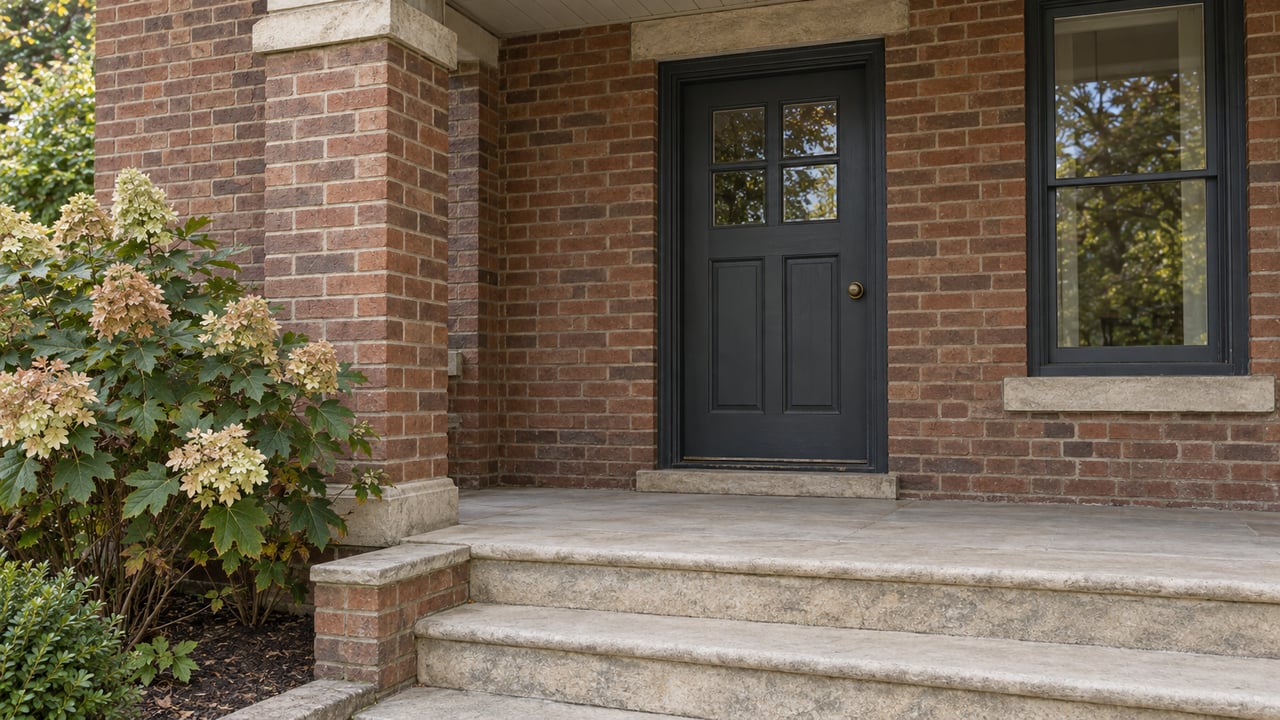
A buyer closes on a 1920s foursquare a block off Hudson Avenue, budget already earmarked for a new roof and a repainted porch. The plan seems simple: close, get a permit, hire a roofer, done in a month. Then a neighbor mentions the Committee, and the buyer realizes there is an optional opportunity for informal feedback before the city's formal review.
Heritage Hills is Oklahoma City's oldest historic preservation district, designated in 1969. Exterior changes inside its boundaries go through the city's formal review by the Historic Preservation Commission, with optional, non-binding feedback available beforehand from a resident-run committee.
Understanding which review is required and which is optional is worth doing before you're the one holding a paint sample against 100-year-old brick.
When Oklahoma City updated its historic preservation ordinance in 2003, it didn't just tweak commission procedure. It built resident review committees into the code itself, one per historic district, made up of volunteers who are not city employees and not Historic Preservation Commission members. Their job, as the ordinance itself spells out, is to provide technical support to property owners working on renovation and rehabilitation projects, and to make non-binding recommendations to the Commission on Certificate of Appropriateness applications.
Heritage Hills runs its version of this committee through its own nonprofit, Historical Preservation, Inc. The organization describes the Committee's purpose plainly: help residents prepare for a Certificate of Appropriateness before that request goes in front of the city's Mayor-appointed Historic Preservation Commission. Committee members bring years of hands-on experience with what gets approved and what gets sent back, and they file monthly reports and recommendations. The Commission still makes the final call. But the Commission is reading a file that the Committee has often already shaped.
Committee review is not a legal requirement. A homeowner can submit a Certificate of Appropriateness application straight to city planning staff without ever emailing the Committee first. What that homeowner gives up is the chance to hear, informally and early, whether a proposed window profile or roofline is going to draw a second look before it's already been drawn up by a contractor and priced into a bid.
The city's procedural rules set specific deadlines once a Certificate of Appropriateness application is submitted. The Historic Preservation Officer has 10 days to notify the applicant in writing of any additional documentation needed. If that notice doesn't go out, the application is considered complete as filed. If it does go out, the applicant has 90 days to supply what's missing, after which the city can administratively close an incomplete application altogether.
That 10-day and 90-day structure means the review clock doesn't start when a homeowner thinks it starts. It starts when the file is complete, and completeness is determined by city staff, not by the applicant's own sense of readiness. A project that arrives at the Commission already vetted by the neighborhood Committee tends to hit that completeness bar faster, because the paperwork gaps that trigger the 10-day notice are exactly the kind of thing a Committee review catches in advance.
The ordinance goes further still. For cases involving alleged economic hardship, typically tied to demolition, the city convenes a separate Economic Review Board made up of people with no financial or employment ties to the property or the Commission. That board has 60 days to hold a public hearing and review appraisals, profit-and-loss statements, and current market value before sending its own non-binding recommendation up the chain. It's a narrow provision, but its existence tells you the ordinance was written by people who expected disputes, not just paperwork.
Heritage Hills' own description of its historic district status is direct: owners must request and receive a Certificate of Appropriateness before any modification or addition to any exterior feature of a home. That's the roof, the windows, the doors, additions, and any new construction or demolition. Oklahoma City's citywide Design and Sustainability Standards and Guidelines, adopted in 2012 and updated in 2014, spell out what counts as appropriate for each district, right down to roofing and window details, and the same guidelines govern every one of the city's historic districts, Heritage Hills included.
This is why a project that sounds minor, a straightforward roof replacement, a swapped-out front door, sits in the same review lane as a two-story addition. The size of the project doesn't determine whether it needs a Certificate of Appropriateness.
The layered review isn't bureaucratic caution for its own sake. It traces back to a neighborhood that has been actively defending its own character since before most of its current homes turned 40.
In 1941, residents cited the original 1900s-era zoning restrictions that banned businesses from the area and sued to keep commercial encroachment out, winning most of those fights. In 1967, neighbors organized the first informal home tour, and 500 people paid two dollars each to walk through six grand houses, an event that built the community momentum that eventually pushed the city to act. Two years later, in February 1969, the City Council adopted the ordinance establishing the Historic Preservation Commission, and that July, Heritage Hills became the first neighborhood in the state placed under its protection, following organized resistance to proposals that would have replaced grand early-1900s homes with office buildings and parking lots.
The neighborhood is a conglomerate of six original residential additions platted between 1900 and 1910, including the Winan's Highland Terrace and Winan's Second Additions, which is where Winans Park, the neighborhood's shared green space, gets its name. When the city wrote resident review committees into the ordinance in 2003, it wasn't inventing something new for Heritage Hills. It was formalizing a role residents here had already been playing informally for decades.
A few things are worth doing before you sign a contractor's bid, not after.
Ask for the property's Certificate of Appropriateness history and confirm whether any code enforcement issues are open. A house with no COA record on file for its last major exterior change may mean a prior owner did work without approval
Reach out to the Committee early, through Historical Preservation, Inc.'s design review contact, before finalizing plans with a contractor rather than after. Getting informal feedback on a roofline or a window profile before it's drawn into construction documents costs nothing and can save weeks.
Plan for the Committee's informal review and the city's 10-day and 90-day windows as separate processes. Committee review is optional; if you want its feedback before submitting the official application, contact the Committee first.
If you're comparing Heritage Hills to other close-in Oklahoma City neighborhoods on our Oklahoma City neighborhood page, or working through the broader purchase process on our buyer's guide, factor this timeline into your offer strategy from the start, especially if the home you want needs exterior work before you'd want to live in it.
Does interior remodeling need a Certificate of Appropriateness in Heritage Hills? Historic preservation review in Oklahoma City's districts is built around exterior features. If a renovation would change how the home is used, confirm directly with the city planning department before assuming interior work is automatically exempt.
Is Heritage Hills the only Oklahoma City neighborhood with a volunteer review committee like this? No. The 2003 ordinance update created review committees for historic preservation districts citywide. Heritage Hills' version, run through Historical Preservation, Inc., is the oldest and most established simply because the neighborhood itself was the city's first designated historic district, giving its committee more than two decades of practice that newer districts' committees don't have.
What actually happens if I skip the Committee and apply straight to the city? Nothing prevents it. The Committee's recommendations are non-binding, so no ordinance requires routing a project through them first. What you lose is the informal read on your plans before the Historic Preservation Commission sees them for the first time, which is often the difference between a project that clears review on the first pass and one that gets sent back for revisions months into a renovation.
If you're weighing a purchase in Heritage Hills and want to understand what a specific renovation plan will actually face before you're under contract, The Aguilar Group can walk through the timeline with you before you sign anything.
This article is general information, not legal, tax or financial advice. Consult a qualified professional about your situation.
Stay up to date on the latest real estate trends.
We pride ourselves in providing personalized solutions that bring our clients closer to their dream properties and enhance their long-term wealth. Contact us today to find out how we can be of assistance to you!