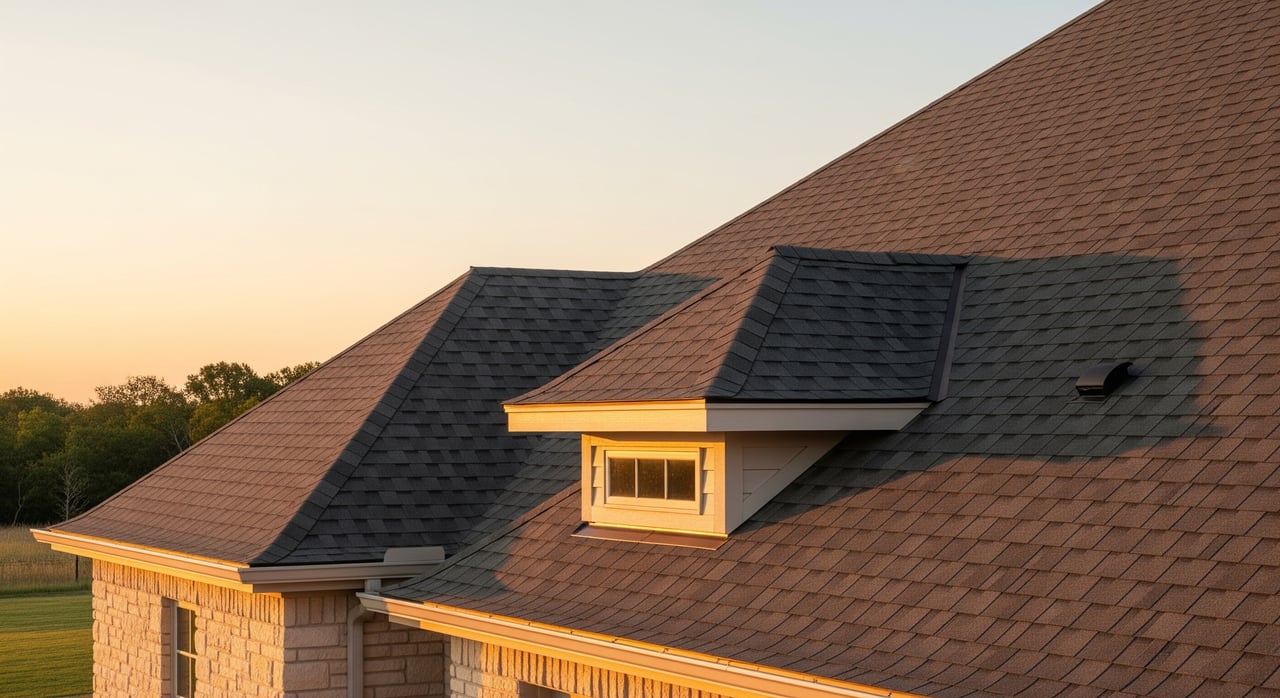
Hail can shred a roof in minutes. In Moore, you see those storms more often than you’d like, and the repair bills can stack up fast. If you want a roof that stands up to hail and wind, you have options that not only perform better but may also lower your insurance premium and help your home stand out when you sell. In this guide, you’ll learn which roofing choices work in Moore, how IBHS FORTIFIED Roof elements differ from impact‑rated shingles, and how to document upgrades for possible insurance discounts and grants. Let’s dive in.
Why Moore roofs need impact resistance
Moore sits in central Oklahoma, where severe thunderstorms bring large hail, straight‑line winds, and occasional tornadoes. Local storm history from the NOAA Storm Events Database shows frequent hail and damaging wind reports across Cleveland County. State and local emergency managers track these hazards because they’re the main drivers of roof claims in our area.
Hail can fracture shingles, strip protective granules, and dent metal. Wind can lift shingles and flashing, which lets water in at roof edges and around penetrations. Repeated exposure shortens a roof’s life and raises the odds of out‑of‑pocket repairs.
That’s why many Moore homeowners look beyond basic shingles to materials with verified impact ratings and to construction standards that reduce wind‑driven water intrusion. The IBHS FORTIFIED approach focuses on the whole roof system, which pairs well with an impact‑rated shingle when you want stronger performance in mixed hail and wind.
Class 4 shingles and other impact‑ready options
Impact‑resistant roofing is tested and labeled so you can compare performance. The most common label you’ll see is UL 2218 for impact resistance. Class 4 is the highest rating in that test and is widely recognized by insurers for asphalt shingles. You can confirm ratings on manufacturer spec sheets and through UL.
What to look for on the label
- UL 2218 Class 4 impact rating on asphalt shingles.
- Manufacturer technical data sheets listing impact ratings and installation requirements.
- Guidance from IBHS or FORTIFIED resources on how different products perform within a resilient roof system.
Common material choices
- Impact‑rated asphalt shingles. These Class 4 shingles are the most common retrofit choice because they fit most Moore homes and are cost‑effective.
- Polymer‑modified or synthetic shingles. Designed to resist fracture and hold granules, with product‑specific performance.
- Metal roofing systems. Thicker panels and the right profile can do well in hail; thinner panels may dent with larger hail.
- Concrete, ceramic tile, or slate. Tough materials with product‑dependent hail performance; proper underlayment and attachment are critical for wind.
Tradeoffs to consider
- Cost vs. longevity. Impact‑rated shingles usually cost more upfront than standard shingles, but they can reduce claim frequency and extend service life.
- Aesthetics and weight. Metal and premium synthetics often last longer but change the look of your home and may require different attachment methods.
- Roof condition. Existing deck repairs, slope, and ventilation can affect which material makes sense and whether you’ll meet insurer or program requirements.
Installation details matter
Even the best shingle can underperform if installed poorly. Fastener type and pattern, deck attachment, flashing, and a continuous secondary water barrier at eaves, valleys, and penetrations all affect resilience. Tight detailing at ridges, hips, and gables reduces uplift and water entry. If you want insurer recognition, make sure your contract spells out materials and installation methods, and that your contractor documents these steps with photos.
What a FORTIFIED Roof adds in Moore
Buying a Class 4 shingle is a smart start, but FORTIFIED strengthens the entire roof assembly. The IBHS FORTIFIED Roof program sets standards for how your roof is built, not just which shingle you choose. It aims to reduce water intrusion and wind damage even if the roof covering is compromised.
Key FORTIFIED elements
- Verified deck attachment. Specific nail types and spacing help your deck resist uplift.
- Secondary water barrier. A self‑adhered membrane at eaves, rakes, valleys, and penetrations reduces leaks if shingles are damaged.
- Covering installation. FORTIFIED specifies fastening patterns, starter strips, and edge details for shingles and other materials.
- Gable/eave closures and bracing. Details that help the roof resist wind pressures at the edges.
- Inspection and verification. A trained FORTIFIED inspector confirms installation and materials. IBHS then issues a certificate you can share with insurers.
FORTIFIED vs. impact‑rated shingles
Think of impact‑rated shingles as the armor and FORTIFIED as the structure wearing it. A Class 4 shingle handles hail better. A FORTIFIED assembly reduces wind‑driven water entry and uplift, even if the outer layer takes a hit. In many storms, a FORTIFIED roof with a standard shingle can outperform a Class 4 shingle on a conventional assembly because the underlayers and attachments are stronger.
Insurance discounts and how to document upgrades
Many insurers offer credits or preferred underwriting for UL 2218 Class 4 shingles or for FORTIFIED‑certified roofs. The size and availability of discounts vary by company and policy, and they may require verification. For statewide consumer guidance, check the Oklahoma Insurance Department.
What insurers commonly ask for
- Contractor contract/invoice listing the exact materials, impact rating, and installation details, plus dates of work.
- Manufacturer spec sheet showing the UL 2218 Class rating or other impact tests.
- Building permit and final inspection sign‑off from the City of Moore or Cleveland County.
- Photos of key installation stages and the completed roof.
- If applicable, the official IBHS FORTIFIED certificate.
- Warranty documents for materials and workmanship.
Steps to secure a premium credit
- Call your insurer before you start. Ask which upgrades they recognize and what documentation they require.
- Hire an installer familiar with insurer requirements and, if you plan to certify, with FORTIFIED installations.
- Pull permits and schedule inspections. Keep all receipts and sign‑offs from the City of Moore or Cleveland County.
- Save your paperwork. Collect spec sheets, detailed invoices, photos, inspection sign‑offs, and any FORTIFIED certificate.
- Submit your packet to the insurer and request the premium adjustment in writing. Keep copies of all communications.
Grants and where to check in Oklahoma
Mitigation grants can help offset costs, but programs open and close on set cycles and eligibility varies. Homeowners usually apply through state or local programs, not directly to FEMA.
- FEMA Hazard Mitigation Assistance. Learn about HMGP and BRIC programs on the FEMA mitigation grants page. Awards flow through the state to local jurisdictions.
- Oklahoma Department of Emergency Management. Contact OEM to ask about current or upcoming homeowner mitigation funding tied to roof upgrades.
- Local channels. Check with the City of Moore and Cleveland County emergency management or planning departments for local initiatives and application steps.
Practical next moves:
- Call OEM and the City of Moore emergency management office to ask about active rebate or grant programs.
- Review FEMA HMA program information and timelines. Track state announcements and local subapplications.
- Get bids from contractors experienced with mitigation programs. Some require specific documentation.
- Gather proof of ownership, scope of work, and contractor quotes. Income verification may be needed for certain programs.
Buyer and seller advantages in Moore
If you plan to sell in Moore, a documented impact‑rated or FORTIFIED roof can be a selling point. Buyers and their insurers look for clear proof of materials, permits, and installation quality. A FORTIFIED certificate, photos, and spec sheets become part of a strong disclosure and marketing package.
If you’re buying in Cleveland County, ask for roofing documentation during due diligence. Look for UL 2218 Class 4 proof, permit finals, and any FORTIFIED certificate. These items can support better underwriting outcomes and lower long‑term maintenance risk.
Quick checklist for Moore homeowners
Before you invest:
- Call your insurer to confirm recognized upgrades and required proof.
- Get at least two bids that list manufacturer, model, UL 2218 rating, and installation details.
- Verify your contractor’s insurance and experience with FORTIFIED or insurer‑recognized installs.
During the project:
- Pull permits with the City of Moore or Cleveland County and keep receipts.
- Ask your contractor to photograph deck attachment, underlayment at eaves/valleys, and fastening patterns.
- Save manufacturer spec sheets showing UL 2218 ratings.
- If pursuing FORTIFIED, coordinate with a trained inspector early in the process.
After completion:
- Compile a packet: permit final, detailed invoice, product spec sheets, photos, inspection sign‑offs, warranties, and any FORTIFIED certificate.
- Submit to your insurer and request confirmation of any premium change in writing.
- Keep copies for resale. This documentation helps buyers and their insurers evaluate your home.
Ready to make your Moore home more resilient and market‑ready? Let’s talk about how to position roof upgrades in your move plan and what documentation to gather for a smoother sale or purchase. Connect with Unknown Company to Work With Us.
FAQs
What is a UL 2218 Class 4 shingle?
- It’s an asphalt shingle tested to the highest impact rating under the UL 2218 standard. Many insurers recognize Class 4 shingles for potential premium credits. See UL for standards context and manufacturer spec sheets for product ratings.
How does a FORTIFIED Roof help in Moore’s storms?
- FORTIFIED focuses on the whole roof system. Verified deck attachment, secondary water barriers, and edge details reduce wind uplift and water intrusion, complementing impact‑rated shingles. Learn more at FORTIFIED Home.
Can I get an insurance discount for roof upgrades in Oklahoma?
- Many insurers offer credits for UL 2218 Class 4 or FORTIFIED roofs, but amounts and rules vary. Ask your carrier and review guidance from the Oklahoma Insurance Department before work begins.
Where do I find grants for roof improvements in Cleveland County?
What paperwork should I keep for buyers or insurers?
- Save permits and final inspections, contractor invoices with materials and methods, manufacturer spec sheets, installation photos, warranties, and any IBHS FORTIFIED certificate.